
Blog
Resin Flooring and Resin Floors in the UK: Complete 2026 Guide

Table of Contents
The UK offers resin flooring as an excellent solution for creating seamless modern floors which provide high durability for both residential and commercial buildings. The following guide explains resin flooring basics through straightforward language while presenting available resin floor types and their benefits and drawbacks and British cost estimates and selection methods for your project.
What is resin flooring?
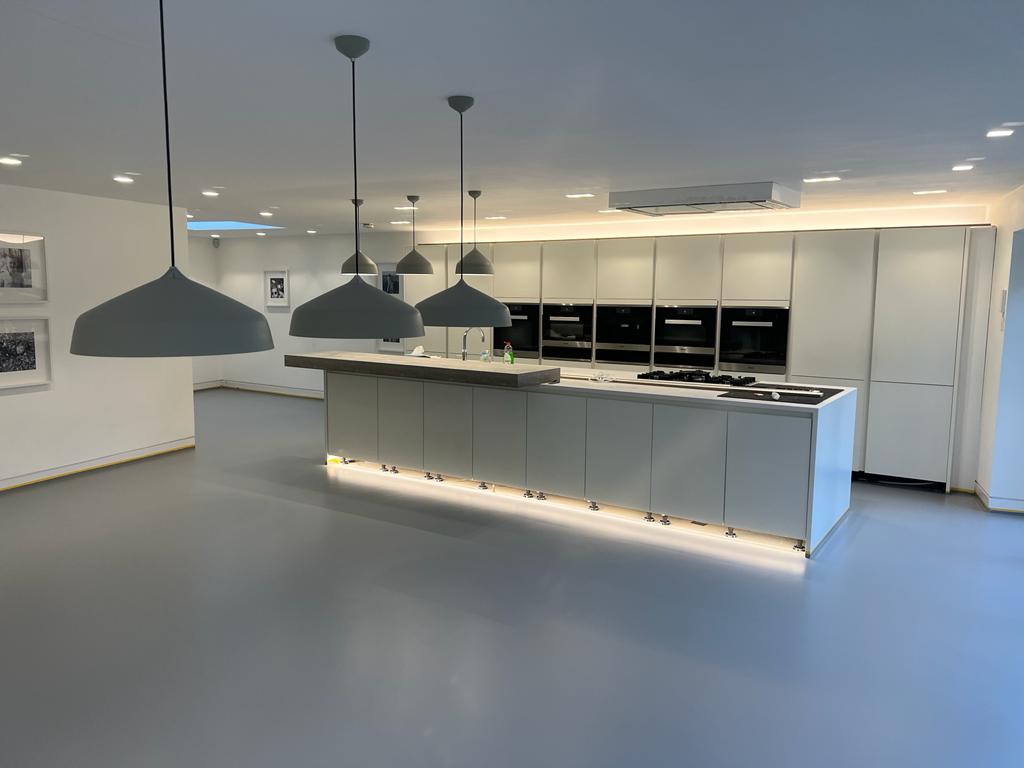
The process of creating seamless floor finishes involves mixing liquid resin with hardeners and additional substances at construction sites. The liquid substance gets applied to concrete surfaces through pouring or troweling before it solidifies into a strong surface without any joints. The liquid installation process of resin flooring enables perfect room shape adaptation while producing a clean modern appearance without any grout lines or joints.
Resin flooring provides superior durability and hygiene benefits and design versatility when compared to traditional floor materials including tiles and vinyl and bare concrete. The installation of resin flooring takes place in various building types which include residential homes and offices and showrooms and restaurants and industrial kitchens and warehouses and pharmaceutical facilities and hospitals and multiple commercial and industrial buildings.
To learn how Bio Resin differs from other resin systems, including its benefits, limitations and suitability for UK homes, read our complete guide to Bio Resin flooring
Resin flooring vs resin floors – is there a difference?
The terms “resin flooring” and “resin floors” appear frequently in online content but they describe the same product which uses synthetic resin to create floor finishes.
The guide presents both “resin flooring” and “resin floors” because it simplifies your search for information although these terms describe the same product.
Main types of resin flooring
The market offers different resin flooring systems which each possess distinct characteristics for specific applications. The website presents four primary resin flooring categories through individual articles.
- PMMA flooring – fast-curing resin floors often used in food and beverage or cold environments.
- polyurethane – flexible polyurethane resin flooring systems suitable for many domestic and commercial spaces.
- epoxy resin flooring – traditional epoxy resin floors commonly used in industrial and garage environments.
- Microcement – a cement-based, resin-modified decorative coating for a concrete-look finish on floors and walls.
You can access detailed information about each resin floor type by clicking on the guides listed above or continue reading this overview to understand how these systems work together.
Polyurethane resin floors
The resin flooring family includes polyurethane resin floors which represent one of its most sophisticated and adaptable solutions. The article about polyurethane provides detailed chemical information but explains that these systems achieve both strong durability and soft walking comfort.
The main advantages of polyurethane resin floors consist of:
- The floor material shows excellent crack-bridging properties and flexibility which reduces the risk of floor damage.
- The surface maintains its color stability because it resists UV radiation degradation.
- The floor surface provides comfortable walking experience and works well with underfloor heating systems.
- The floor material demonstrates strong chemical resistance and maintains high durability in industrial and commercial areas.
- The product line includes multiple color options which range from flat to semi-gloss finishes.
The article Seamless Biopolymer Flooring – Safe & Plant-Based and Luxury Biopolymer Seamless Flooring provide design inspiration for high-end plant-based systems which operate in the same design category as polyurethane resin floors.
Epoxy resin flooring
Epoxy resin flooring stands as one of the most recognized resin floor types which finds its primary use in industrial environments. Our article about epoxy resin flooring explains the epoxy production process and its applications and performance comparison with tiles and other materials.
Epoxy resin floors provide several key advantages to users.
The floor material demonstrates exceptional compressive strength and strong bond formation with concrete surfaces.
The floor surface provides a single continuous area that requires minimal maintenance for cleaning purposes.
The product allows customers to select from numerous color options and decorative patterns.
The installation costs of epoxy resin floors remain affordable when compared to other high-performance floor systems.
Standard epoxy flooring lacks flexibility compared to polyurethane and it does not protect against UV degradation so we recommend polyurethane and biopolymer systems for domestic and design-focused commercial spaces.
PMMA flooring
PMMA systems represent fast-curing resin floors which use polymethyl methacrylate as their main component. The article about PMMA flooring explains how these resin floors excel at minimizing production downtime in food manufacturing facilities and beverage plants and cold storage facilities.
PMMA resin floors demonstrate these essential characteristics.
The system allows quick floor restoration because it enables most areas to become operational within short time periods of a few hours.
The material shows effective protection against various chemical substances and hot water exposure.
The floor surface maintains complete unity while providing hygienic conditions for food and pharmaceutical facilities.
Microcement resin floors
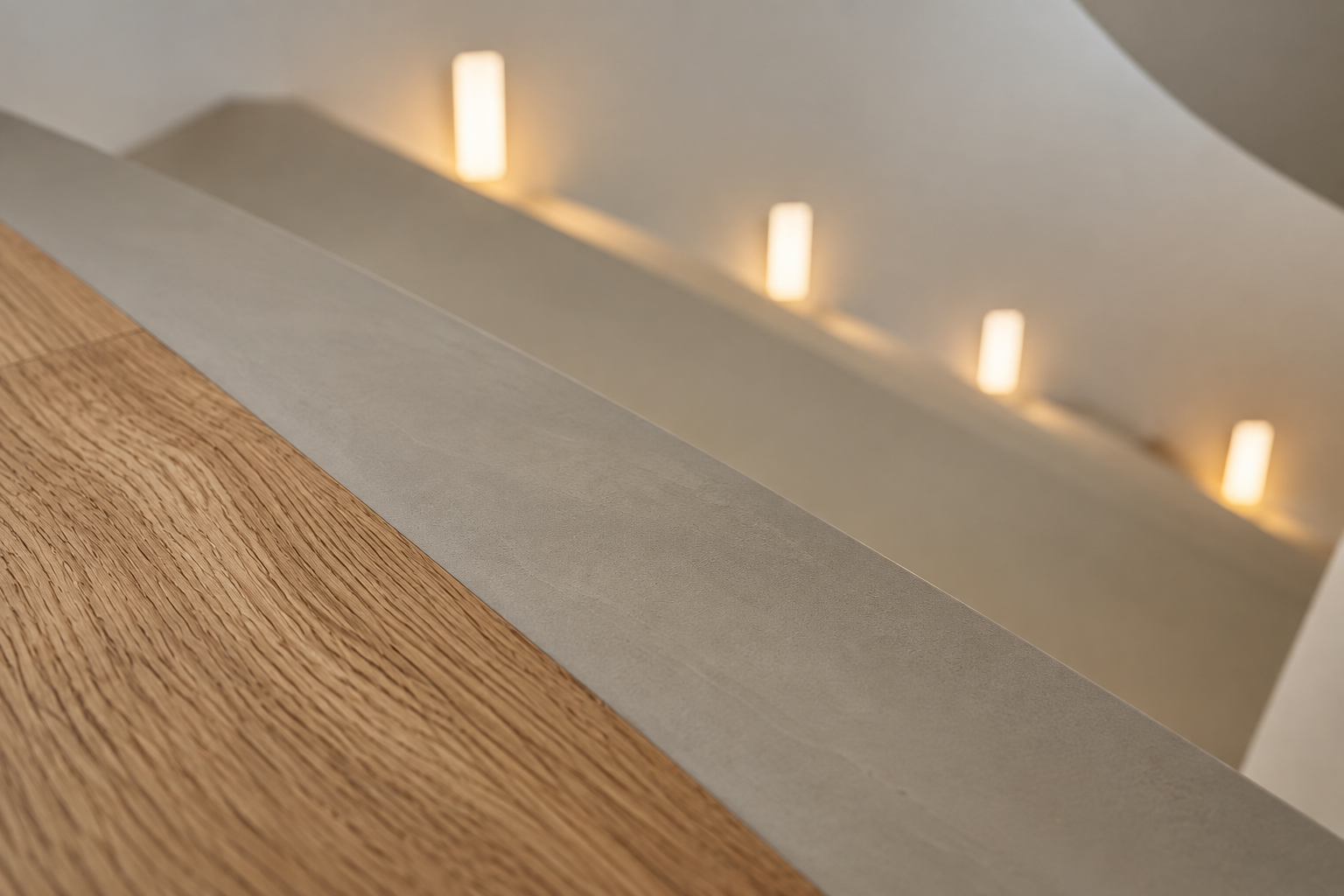
The decorative coating known as microcement consists of resin-modified cement with pigment additions. The article about Microcement explains how this product enables users to create a single continuous concrete-look finish that can be applied to floors and walls and even furniture.
The main advantages of using microcement flooring include:
The product enables users to apply it to floors and walls and furniture for creating a single interior design aesthetic.
The product line includes multiple color options together with different texture choices and sheen levels.
The product allows users to apply it directly to existing surfaces while maintaining a thin application thickness.
Advantages of resin flooring and resin floors
Resin flooring and resin floors provide a set of advantages which other materials including tiles and vinyl and bare concrete cannot match. The main advantages of this flooring system include:
The flooring material provides exceptional durability and extended operational life when subjected to heavy usage.
The floor surface maintains complete unity because it lacks joints while providing a modern appearance that makes cleaning simple.
The material provides outstanding protection against water and numerous household and industrial chemicals.
The floor surface maintains excellent hygiene standards because it lacks grout lines which prevent dirt and bacteria from accumulating.
The system allows users to design their floors with various color options and texture selections and finish types.
The system enables users to create slip-resistant surfaces whenever needed.
The installation process of resin floors allows users to place them directly on top of existing surfaces which helps decrease material waste and construction interruptions.
Potential disadvantages of resin floors
Every flooring system including resin floors presents certain drawbacks which users need to understand before installation.
The success of the installation depends on proper substrate preparation because inadequate preparation will result in system failure.
A professional installer must perform the work to achieve a high-quality finish that will last for many years.
The floor surface made from rigid epoxy becomes extremely hard when walked upon compared to timber or carpeted floors.
Standard epoxy systems fail to resist UV radiation which causes them to become yellowed when exposed to direct sunlight.
Specialized expertise is needed to perform repairs on extensively damaged floor sections.
A skilled resin flooring expert will select appropriate systems for each project while performing work that reduces potential risks to a minimum.
Typical resin flooring costs in the UK
Resin flooring prices in the UK follow specific patterns that depend on multiple elements which include resin system types and substrate states and floor thickness and total floor area and installation site accessibility. The following prices serve as general estimates because they need a complete quote for accuracy. All prices include VAT for calculation purposes.
The initial cost for basic resin floor applications in garages and utility rooms begins at £40 to £60 per square meter depending on system requirements and preparation needs.
The initial cost for basic resin floor applications in garages and utility rooms begins at £40 to £60 per square meter depending on system requirements and preparation needs.The cost of residential interior resin flooring made from high-quality polyurethane or biopolymer seamless resin floors starts at £80–£140 per m² + VAT based on design complexity and thickness.
The cost of industrial resin flooring systems with chemical and thermal resistance depends on their specific requirements.
A site inspection should be scheduled to determine the exact resin flooring cost for your residential or commercial or industrial space because the installer needs to evaluate the substrate condition to select the appropriate system.
Resin floors for homes in the UK
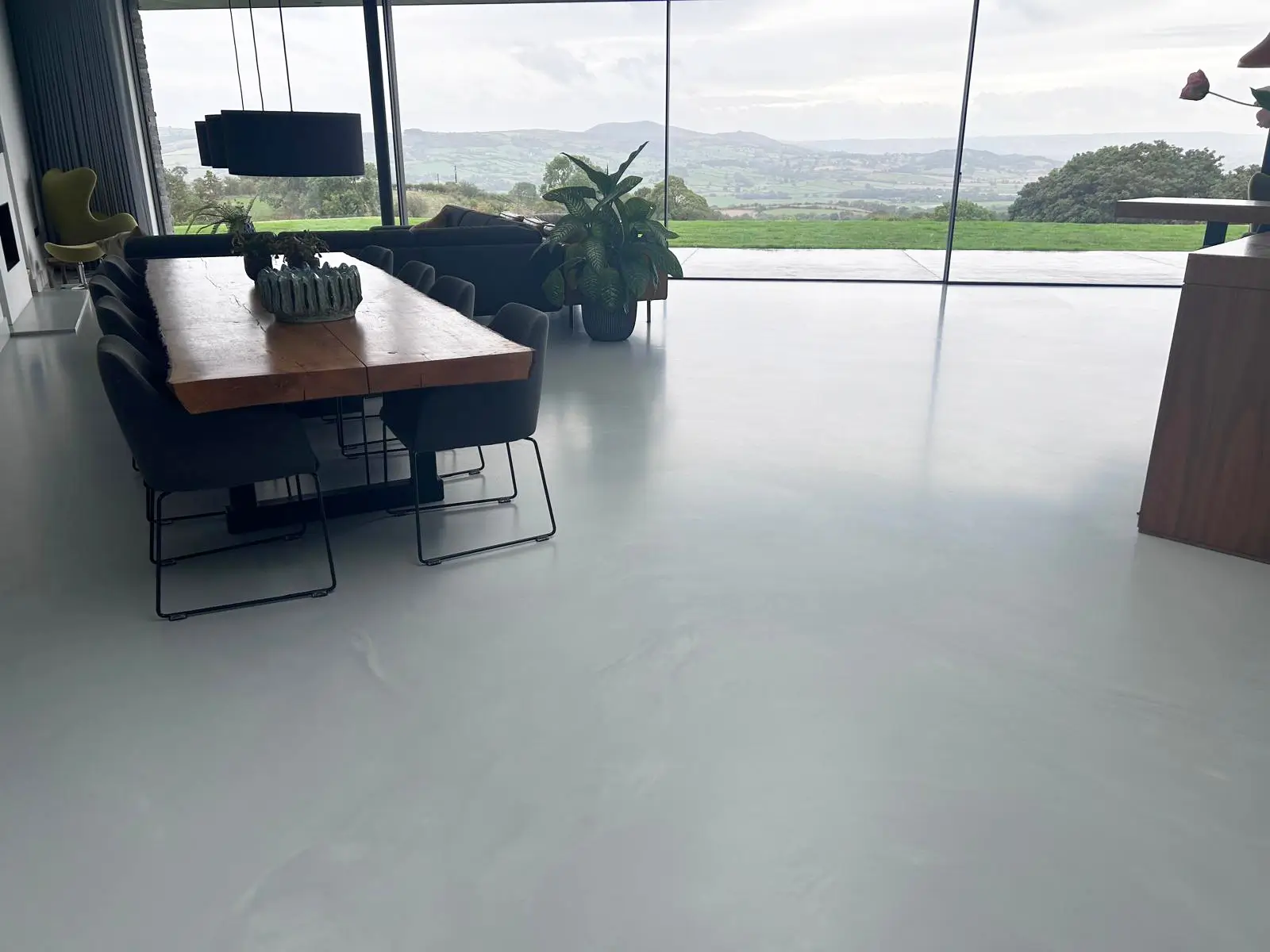
UK residents now choose resin floors as their preferred flooring option. The seamless appearance of resin flooring creates a contemporary look which matches perfectly with modern open-plan interior designs. The correct system installation allows resin flooring to function in various home areas including kitchens and living rooms and hallways and bedrooms and bathrooms.
The article Domestic resin flooring provides detailed information about resin applications in residential spaces while our homeowner-focused guide to resin flooring for homes explains the basics of resin flooring for homeowners.
Resin flooring provides several advantages to domestic properties through its installation.
The seamless design of resin flooring creates an illusion of expanded spaces which produces an open atmosphere.
The system enables underfloor heating installation to create a comfortable temperature environment.
The flooring design provides simple maintenance and cleaning solutions which suit active households.
The product line includes multiple color options which span from flat matte finishes to shiny glossy effects.
The floor provides superior hygiene performance which makes it suitable for kitchen and bathroom areas.
The article Can resin be used as a gym flooring? provides detailed information about gym floor requirements for home gyms and fitness areas.

Industrial and commercial resin flooring systems
Resin flooring serves industrial and commercial spaces because it provides resistance to heavy usage and chemical exposure and easy maintenance while maintaining safety standards.
Industrial and commercial facilities use resin flooring for their production areas and storage facilities and transportation hubs and parking facilities and food service operations.
The guide to industrial resin flooring systems in the UK provides detailed technical information about these applications and available systems.
Do resin floors crack?
Resin floors made from high-quality materials which receive proper substrate preparation will maintain their durability and show minimal signs of cracking. Standard epoxy systems tend to experience cracking when subjected to specific conditions.
Common Causes of Substrate Cracking
The following elements lead to substrate cracking in buildings:
- The foundation concrete substrate develops both horizontal and vertical cracks which affect the entire structure.
- The system experiences thermal expansion and contraction when it is made from rigid materials.
- Heavy objects that fall onto the floor surface will cause damage to the material.
Why Polyurethane and Biopolymer Resin Floors Are More Resilient
The flexible nature of polyurethane and biopolymer resin flooring systems makes them less prone to cracking because they adapt to substrate movements and thermal changes. A well-designed installation process with proper execution will result in a durable finish.
Effortless Maintenance for Your Resin Floors
Resin flooring requires simple maintenance because it offers easy cleaning capabilities.
The seamless non-porous surface of resin flooring eliminates dirt accumulation in its joints and grout lines.
Users should follow these basic steps to maintain their resin floor surfaces.
Users should start by sweeping away loose particles from their floors before using a vacuum cleaner for cleaning.
Users should clean their floors by mopping them with warm water and a pH-neutral cleaning solution.
Users should only use cleaning products that have received approval for their specific resin system.
Users should immediately clean up all food and drink and chemical spills that occur on the floor.
Your installer will give you detailed instructions about post-installation care along with product recommendations for your particular resin system. The guidelines you follow will help your resin floor maintain its excellent condition throughout its extended lifespan .Resin flooring aftercare and protection

Resin Flooring Aftercare and Protection
The installation process of resin floors requires complete curing time before they become ready for use. The following basic steps will protect your investment during the curing process and after installation:
- The installer will provide instructions about when to start walking on the floor and when to return heavy equipment and furniture pieces – complete curing takes multiple days to achieve.
- Furniture legs require felt pads for protection against point damage and scratching.
- The finish of your floor will experience discoloration when you use rubber-backed mats.
- Commercial and industrial facilities that experience heavy traffic should establish a scheduled maintenance schedule to preserve their topcoat surface quality.

Resin Flooring vs Polished Concrete: Which Is Right for You?
The two flooring options resin and polished concrete produce attractive modern floors yet they react differently when people use them. The selection process between these two options becomes easier when you understand their fundamental differences.
Key comparisons
- Crack Visibility: Polished concrete uses the existing concrete slab as the finished surface, so any cracks that develop in the slab will remain visible. Resin flooring systems, by contrast, act as a bridge over minor surface defects and can be locally repaired if needed.
- Water Resistance: Resin flooring is water-resistant and non-porous, making it particularly suitable for bathrooms, commercial kitchens and food preparation areas where hygiene and ease of cleaning are essential.
- Design Flexibility: Resin floors offer a wide range of finishes, from simple solid colours to decorative flakes, metallic effects and customised patterns. This makes it easier to achieve a specific design concept or incorporate branding into the floor.
- Cost and Long-Term Value in the UK: As a general guide, resin flooring in the UK often ranges from around £40–£100+ per m² + VAT, depending on the system, build-up and design. Polished concrete can sometimes be more cost-effective when you already have an existing slab in excellent condition, with simpler projects starting from lower price points. However, resin flooring frequently offers better long-term value in settings where durability, hygiene, chemical resistance and ease of maintenance are priorities.
The article about Polished concrete floors provides detailed information about which flooring option works better for specific projects.

Why choose UK Resin Floors for resin flooring?
UK Resin Floors provides top-notch seamless resin flooring solutions to residential and commercial customers throughout the United Kingdom. Our company focuses on developing modern polyurethane and advanced biopolymer resin floors which provide durability and low emission properties and comfortable living spaces.
Our team provides you with:
- Our team provides expert guidance to select the optimal resin flooring system for your project requirements.
- Our team performs thorough substrate evaluation followed by preparation work to achieve maximum performance from your floor.
- Our team consists of skilled applicators who perform professional resin floor installations.
- Our team provides detailed cost estimates including VAT and project duration information.
- Our team provides complete guidance about resin floor maintenance so you can properly care for your new floor.
- Our team creates custom resin flooring solutions for new construction projects and renovation work and showroom design and restaurant spaces and industrial facilities.
Frequently asked questions about resin flooring
Does resin flooring work well with underfloor heating systems?
Yes. Modern polyurethane and biopolymer resin floors function perfectly with underfloor heating systems. The system efficiently transfers heat while creating a comfortable floor surface. The installation of underfloor heating systems requires proper design and build-up planning which depends on your installer receiving this information.
Is resin flooring slippery?
Resin flooring surfaces maintain their slip resistance through different finish options. The finish of resin flooring remains smooth for residential areas because it provides easy maintenance and luxurious appearance. The addition of fine aggregates to resin flooring creates a slip-resistant surface which maintains its attractive appearance in wet and industrial environments.
What is the lifespan of resin flooring?
The lifespan of resin flooring depends on proper design and installation and regular maintenance. High-quality resin floors will endure for 10 to 20 years or longer when properly maintained in residential environments. The lifespan of resin flooring in industrial environments depends on both the amount of weight it supports and the frequency of cleaning but it outlasts numerous conventional flooring materials.
Can resin flooring be installed over existing tiles or concrete?
The installation of resin flooring becomes possible when you place it directly above tiles that are securely attached to the floor or existing concrete surfaces after proper surface preparation. The installation of resin floors becomes possible when the tiles show no signs of damage and the concrete slab has a solid bond. The first step requires fixing all damaged tiles and addressing concrete cracks and moisture problems. Your installer will determine the best course of action after conducting a thorough site inspection.

Next steps – planning your resin flooring project
The first step for anyone interested in resin flooring or resin floors for their home or business should be to consult with a specialist. The specialist will assist you in selecting appropriate resin systems while explaining both the total price including VAT and developing an installation schedule that minimizes disruptions.
UK Resin Floors provides free consultation services with honest advice to all customers who need assistance. Our team welcomes your inquiry about project details and quotation requests without any commitment requirements.
- share


2 thoughts on “Resin Flooring and Resin Floors in the UK: Complete 2026 Guide”